Kids Don't Do What You Tell Them to Do Fitness-Wise, They Do What They Watch You Do
Telling a child to go outside and be active tends to produce far less actual behavior change than a parent simply being visibly, consistently active themselves — a gap between instruction and modeling that shows up repeatedly in how kids actually form movement habits. Here is why direct instruction has less pull than modeled behavior, and how to actually leverage that gap effectively.
Why Direct Instruction Has Less Pull Than Modeled Behavior
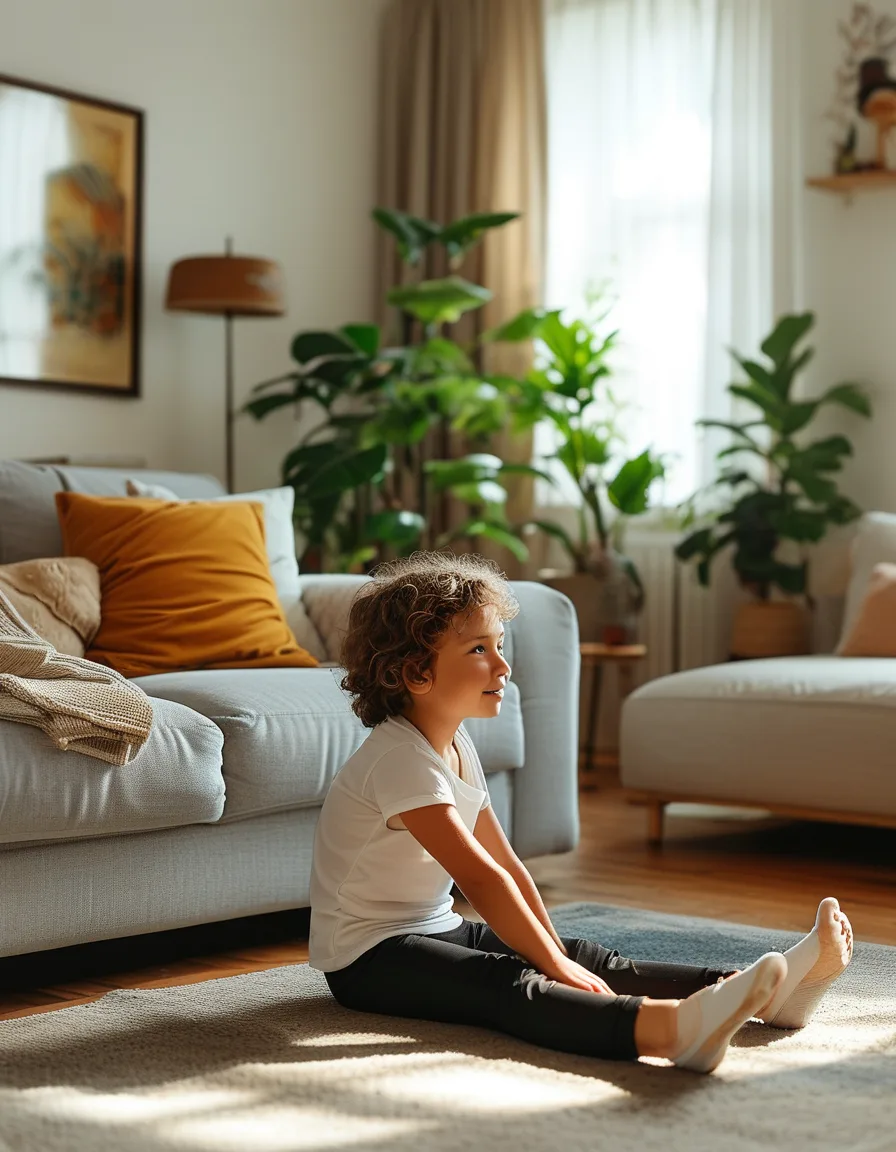
The underlying dynamics: the the-modeled-behavior-doesnt-carry-the-same-resistance-that-direct-instruction-often-triggers (the direct instructions, especially repeated ones, often triggering a degree of resistance or reactance in children the same way they can in adults, while simply observed behavior doesn’t carry that same friction, per the exercise-modeling-for-kids-that-actually-works-guide logic — the direct-instruction-can-trigger-resistance-that-passive-observed-modeling-simply-doesnt-carry), the the-children-absorb-normalized-behavior-as-simply-how-things-are-done-rather-than-as-a-rule-being-imposed (the consistently observed behavior settling into a child’s sense of normal, default behavior rather than registering as an external rule being imposed on them, a psychologically different and generally stickier kind of influence — the observed-normalized-behavior-becomes-internalized-as-simply-normal-rather-than-experienced-as-an-external-rule), the the-mismatch-between-verbal-instruction-and-actual-parent-behavior-undermines-the-instructions-credibility (the a parent telling a child to be active while being visibly inactive themselves creating a credibility gap that reduces how much weight the instruction actually carries, regardless of how the instruction itself is phrased — the a-mismatch-between-words-and-observed-behavior-undermines-the-instructions-actual-influence), and the reframe (the instruction-versus-modeling gap as a real, documented behavioral pattern rather than simply a reflection of how well an instruction happened to be phrased or delivered).
How to Actually Leverage Modeling Effectively
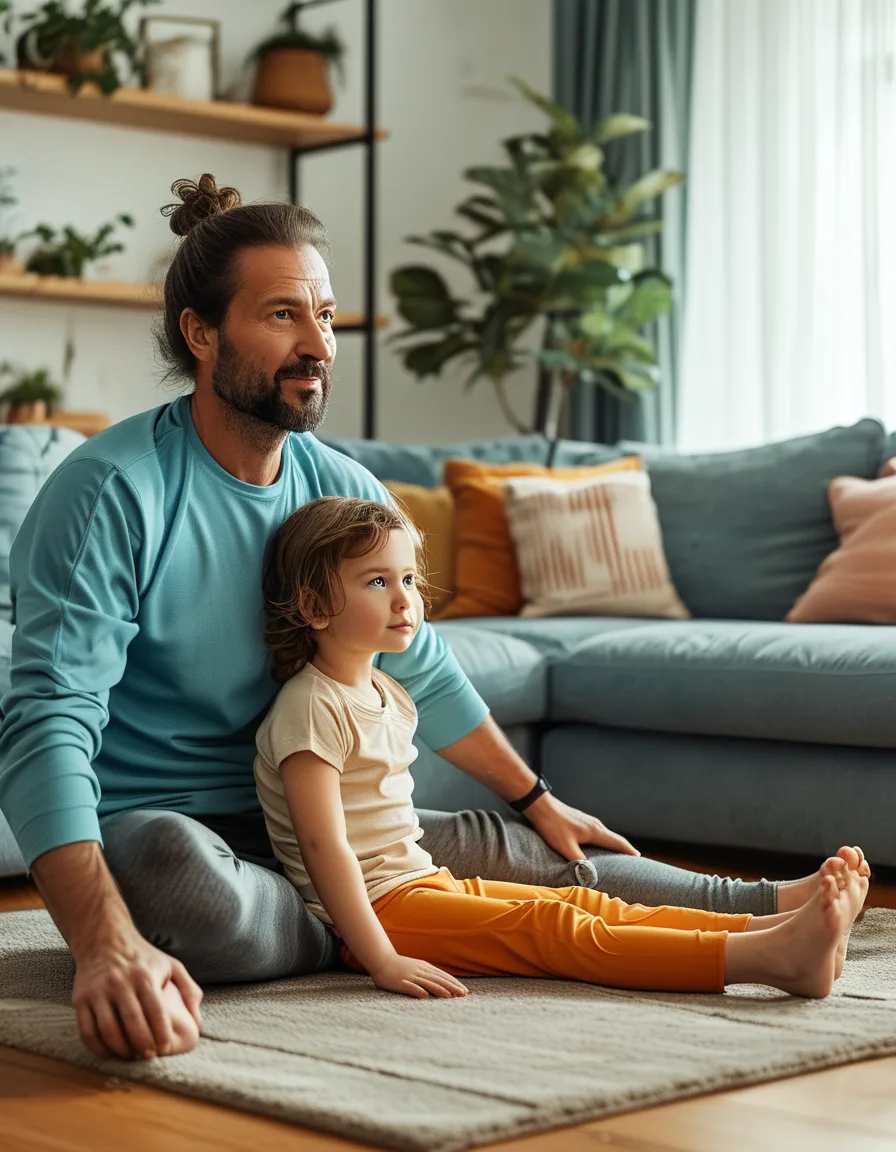
The practical approach: the make-your-own-activity-visible-rather-than-happening-separately-or-out-of-sight (the doing exercise in spaces and times a child can actually observe, rather than exclusively during separate childcare-covered time, per the family-fitness-guide logic — the visible-activity-that-a-child-can-actually-observe-is-what-does-the-modeling-work-not-invisible-activity), the the-narrate-your-own-motivation-and-enjoyment-rather-than-just-performing-the-activity-silently (the verbally sharing genuine enjoyment or reasons for being active while doing it, adding an accessible layer to the modeled behavior beyond the physical action alone — the narrating-genuine-enjoyment-alongside-the-modeled-behavior-adds-an-accessible-layer-beyond-just-the-physical-action), the the-invite-participation-rather-than-only-demonstrating-solo (the inviting a child to join an activity rather than only ever modeling it separately, per the family-bike-ride-guide and backyard-obstacle-course-guide logic, combining modeling with actual shared participation — the inviting-participation-combines-modeling-with-direct-shared-experience-which-reinforces-the-effect), the the-be-consistent-rather-than-occasional-since-normalization-requires-repetition-not-a-single-instance (the consistency over time being what actually builds the sense of normalized behavior in a child’s mind, meaning occasional or inconsistent modeling carries much less influence than a genuinely regular pattern — the consistency-over-time-is-what-actually-builds-normalization-not-a-single-or-occasional-instance), and the transition (the leverage approach as making activity genuinely visible, narrating enjoyment alongside it, inviting participation rather than only demonstrating solo, and maintaining real consistency over time, though a few common mistakes can quietly undercut all of it).
Common Modeling Mistakes That Undercut the Effort
The pitfalls to avoid: the the-performative-modeling-only-in-front-of-the-child-reads-as-inauthentic-over-time (the exercising visibly only when a child happens to be watching, then dropping the behavior the moment they leave the room, a pattern kids tend to notice and register as staged rather than genuine over enough repetitions — the performative-modeling-that-only-happens-when-watched-tends-to-read-as-inauthentic-and-loses-its-modeling-power), the the-complaining-about-the-activity-out-loud-while-still-doing-it-sends-a-mixed-signal-that-undercuts-the-modeling (the visibly grumbling about how much a workout is dreaded while still going through with it, a mixed signal that can undercut the intended modeling effect even though the behavior itself is technically still being modeled — the verbally-complaining-about-the-activity-while-modeling-it-sends-a-conflicting-signal-that-weakens-the-effect), the the-weekend-only-consistency-doesnt-build-the-same-normalized-sense-as-near-daily-visibility (the confining visible activity to weekends alone rather than some near-daily presence, which tends to register to a child as an occasional special event rather than as simply how things normally are — the weekend-only-visibility-reads-as-an-occasional-event-rather-than-building-the-daily-normalized-sense-that-drives-the-effect), and the frame (the mistakes worth avoiding as performative modeling only when watched, complaining aloud while still doing the activity, and confining visibility to weekends only — each one quietly weakening the same modeling effect the rest of the approach is built around).
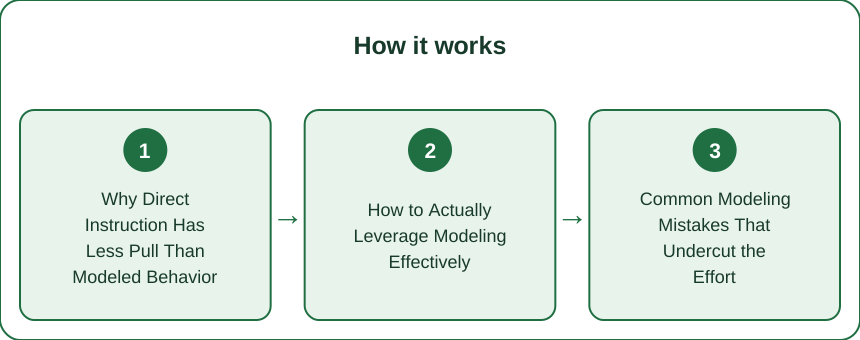
Direct instruction to be active tends to influence kids less than a parent’s own visible, consistent activity because instructions can trigger resistance the same way they can in adults, while observed behavior settles into a child’s sense of what’s simply normal rather than registering as an external rule, and a mismatch between what a parent says and what a parent visibly does undermines the instruction’s own credibility regardless of how it’s phrased. Leveraging modeling effectively means actually making your own activity visible to your child rather than confining it to separate time out of sight, narrating genuine enjoyment or motivation alongside the activity rather than performing it silently, inviting participation rather than only ever demonstrating solo, and maintaining real consistency over time, since normalization builds from repetition rather than from an occasional instance. A few common mistakes quietly undercut all of it, though: performative modeling only when a child happens to be watching, complaining aloud about the activity while still doing it, and confining visible activity to weekends only rather than a near-daily presence — each one weakening the same documented mechanism that shapes kids’ habits more than any amount of verbal instruction does.
Keep Reading
This article is for general informational and styling purposes only. Fit, sizing, and product availability may vary.