Kids Don't Copy Your Workouts — They Copy How You Talk About Them
Regularly exercising in front of children gets treated as sufficient modeling on its own, as if simply witnessing a workout automatically transfers a positive relationship with movement — but the research on how kids actually absorb attitudes toward exercise suggests the language and framing around the activity matters at least as much as the activity itself being visible. Here is why simply exercising in front of kids doesn’t reliably transfer positive habits on its own, the specific language and framing that actually shapes a child’s relationship with movement, and how to model it without turning exercise into another chore they’re told to do.
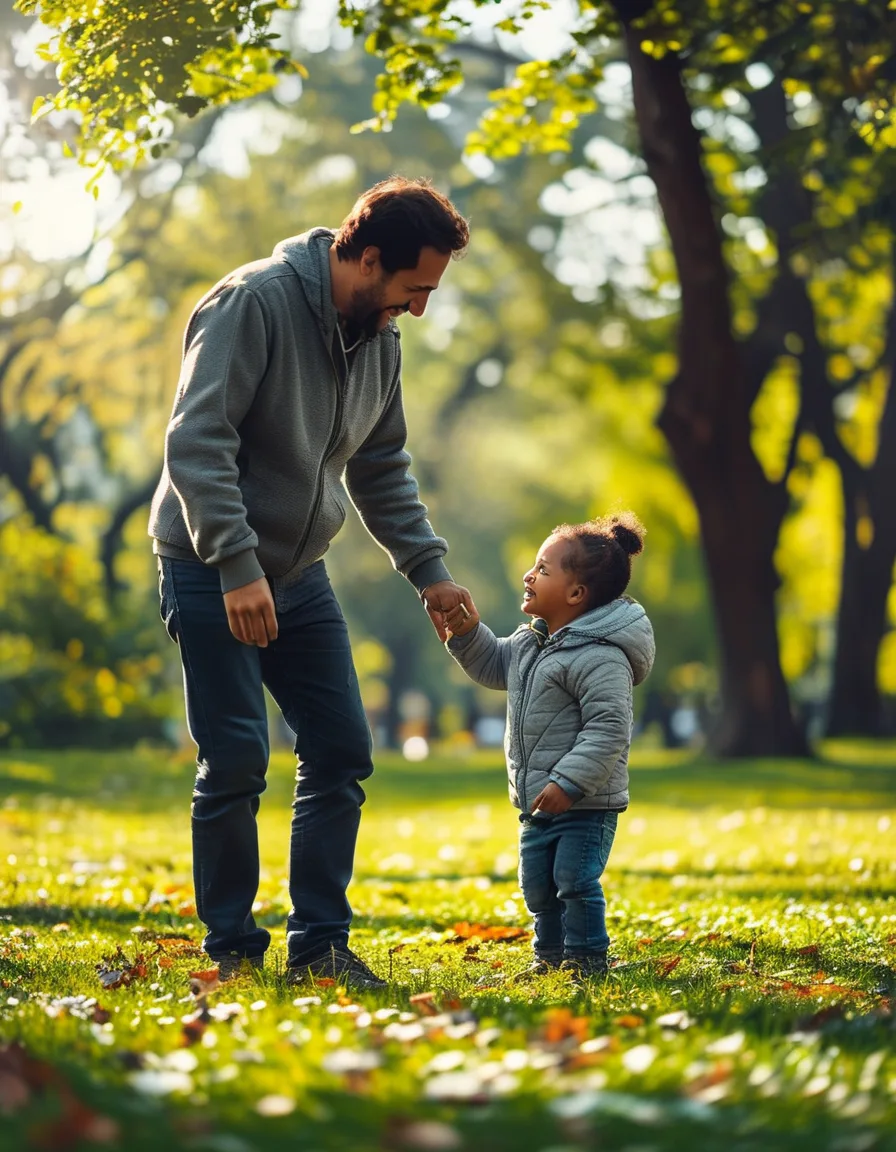
Why Simply Exercising in Front of Kids Doesn’t Reliably Transfer Positive Habits
The modeling gap: the the-children-absorb-emotional-tone-and-commentary-around-an-activity-at-least-as-much-as-the-visible-behavior-itself (the observational learning research suggesting kids pick up on how an activity is talked about and emotionally framed, not just whether it visibly happens — the how-its-talked-about-is-absorbed-alongside-or-even-more-than-simply-witnessing-the-behavior-itself), the the-visible-exercise-paired-with-negative-self-talk-or-complaint-can-transfer-the-complaint-more-than-the-behavior (the a parent exercising while audibly dreading it or complaining about it potentially teaching the complaint and dread more effectively than it teaches the underlying value of movement — the the-negative-framing-paired-with-the-activity-can-be-whats-actually-transferring-not-the-positive-behavior-itself), the the-exercise-framed-explicitly-as-punishment-or-obligation-for-food-or-weight-teaches-that-specific-framing-directly (the a parent explicitly linking exercise to earning food or managing weight visibly teaching that exact conditional framing rather than an intrinsic relationship with movement from the move-for-joy-not-punishment-blog logic — the explicit-punishment-or-obligation-framing-gets-absorbed-as-directly-and-specifically-as-any-other-language-a-child-hears), the the-kids-notice-inconsistency-between-stated-values-and-observed-emotional-reaction-to-an-activity (the a mismatch between saying exercise is good and visibly appearing to resent or dread it creating a confusing double message that a child has to somehow reconcile — the a-mismatch-between-words-and-visible-emotional-reaction-creates-a-confusing-signal-not-a-clean-consistent-one), the the-research-on-modeling-more-broadly-consistently-finds-that-explanation-and-narration-strengthen-transfer-compared-to-silent-demonstration-alone (the general child development research on modeling finding that verbal narration and explanation alongside a behavior improves how effectively it transfers compared to silent demonstration on its own — the verbal-narration-alongside-the-behavior-improves-transfer-compared-to-silent-demonstration-in-modeling-research-more-broadly), and the reframe (the modeling gap as language and emotional framing mattering as much as visibility — a parent’s silent, unremarked-upon workout transfers less reliably than the same workout paired with genuinely positive, non-conditional narration)).
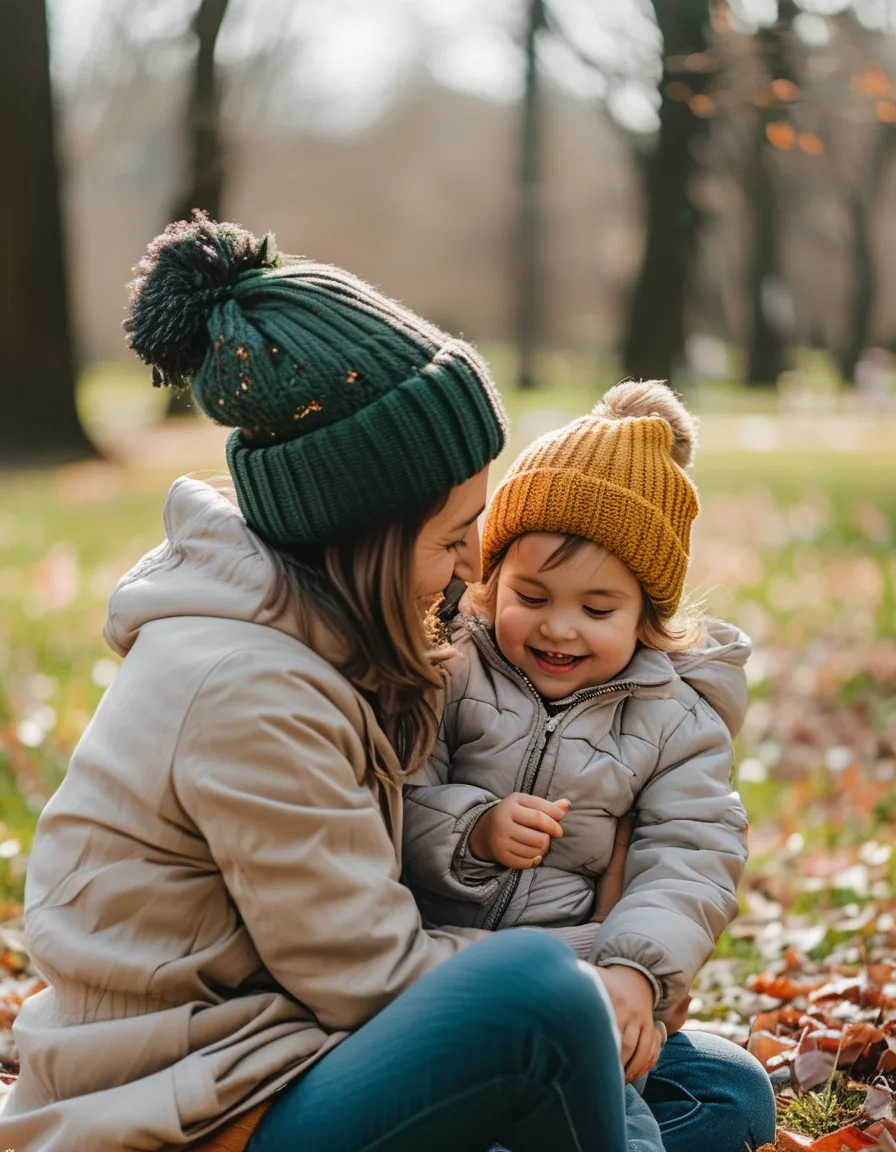
The Specific Language and Framing That Actually Shapes a Child’s Relationship With Movement
What to actually say and avoid: the frame-movement-around-enjoyment-and-capability-rather-than-obligation-or-appearance (the describing exercise in terms of fun, energy or what the body can do, rather than obligation, calorie burning or appearance-related goals, from the everybody-blog joyful-movement logic — the enjoyment-and-capability-framing-versus-obligation-or-appearance-framing-is-the-single-biggest-language-lever), the the-avoid-narrating-exercise-as-something-dreaded-or-being-gotten-through-even-on-genuinely-low-motivation-days (the being mindful of complaint-heavy narration specifically around children, even when motivation is genuinely low that day, since that narration is what’s absorbed regardless of the underlying private feeling — the being-mindful-of-complaint-heavy-narration-specifically-in-front-of-kids-matters-even-on-a-day-motivation-is-genuinely-low), the the-narrate-the-actual-felt-experience-during-and-after-rather-than-just-the-fact-that-exercise-happened (the describing how movement actually feels — energizing, fun, a good stretch — during or right after the activity, giving kids language for the experience rather than just observing the event — the giving-kids-actual-language-for-the-felt-experience-is-more-useful-than-them-simply-observing-the-event-happened), the the-avoid-conditional-language-linking-movement-to-food-earned-or-weight-managed (the deliberately avoiding language that frames movement as something that earns food or manages weight, since that specific conditional framing is what research on child feeding and body image consistently flags as particularly influential and hard to undo later — the the-conditional-language-around-food-and-weight-specifically-is-flagged-repeatedly-in-related-research-as-particularly-influential-and-worth-avoiding-deliberately), the the-let-kids-see-genuine-variety-and-play-not-just-one-narrow-repetitive-workout-format (the exposing children to movement as play, sport, dance and structured exercise variously, rather than one single repetitive format, broadening what ‘exercise’ means to them from the family-fitness-guide logic — the showing-variety-rather-than-one-narrow-repetitive-format-broadens-a-childs-own-sense-of-what-movement-can-be), and the frame (the actual effective language as framing around enjoyment and capability, avoiding dread-heavy narration even on low-motivation days, narrating the felt experience directly, avoiding food- or weight-conditional language specifically, and showing genuine variety — specific, deliberate choices rather than assuming presence alone does the modeling work).
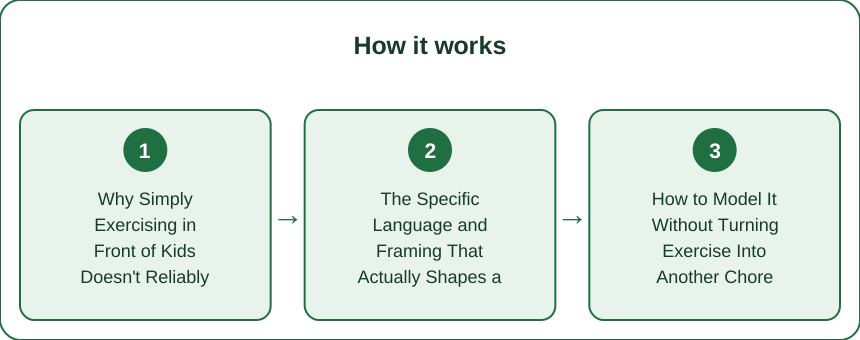
How to Model It Without Turning Exercise Into Another Chore They’re Told to Do
The practical balance: the invite-participation-without-mandating-it-as-a-required-family-obligation (the offering kids the chance to join in movement as an invitation rather than framing it as a mandatory family requirement, preserving some of their own sense of choice — the invitation-rather-than-mandate-preserves-a-sense-of-autonomy-that-matters-for-genuine-long-term-buy-in), the the-let-kids-choose-their-own-version-of-movement-rather-than-insisting-on-a-shared-identical-activity (the allowing a child’s own preferred form of movement to count fully, rather than requiring they join the parent’s specific chosen workout format from the raising-active-kids-guide logic — the letting-a-childs-own-preferred-movement-format-count-fully-avoids-turning-it-into-compliance-with-the-parents-specific-choice), the the-avoid-praising-or-rewarding-movement-in-a-way-that-implies-its-otherwise-undesirable-medicine (the being careful that praise for exercising doesn’t accidentally imply it was something unpleasant that required willpower to get through, which can undercut the intrinsic enjoyment framing — the praise-that-implies-exercise-required-willpower-to-endure-can-quietly-undercut-the-intrinsic-enjoyment-framing-being-aimed-for), the the-keep-some-family-movement-time-genuinely-unstructured-and-playful-rather-than-formatted-like-a-workout (the including unstructured active play specifically, not just formal exercise, as part of what gets modeled, since play has its own distinct and valuable relationship with movement — the unstructured-playful-movement-specifically-alongside-formal-exercise-broadens-the-model-beyond-just-workouts), the the-check-in-periodically-on-how-a-child-is-actually-experiencing-family-movement-time-rather-than-assuming (the occasionally and casually asking how a child feels about family activity time, rather than assuming the framing is landing as intended, since kids’ actual internal experience isn’t always visible from the outside — the periodically-checking-in-directly-rather-than-assuming-catches-a-mismatch-between-intended-and-actual-experienced-framing), and the frame (the practical balance as inviting rather than mandating participation, letting a child’s own preferred movement format count, avoiding praise that implies exercise was unpleasant medicine, including genuinely unstructured playful movement alongside formal exercise, and periodically checking in on the child’s actual experience — modeling that preserves autonomy and joy rather than converting movement into one more required task).
Simply exercising visibly in front of children doesn’t reliably transfer a positive relationship with movement on its own, because kids absorb the emotional tone and language surrounding an activity at least as much as the visible behavior itself — a parent who exercises while narrating dread or explicitly frames it as earning food or managing weight may be transferring that specific framing more effectively than the underlying value of movement. Shape it deliberately by framing movement around enjoyment and capability rather than obligation or appearance, narrating the actual felt experience during and after rather than just letting kids observe that exercise happened, avoiding food- or weight-conditional language specifically, and exposing kids to genuine variety in movement rather than one narrow repetitive format. Keep it from becoming another chore by inviting rather than mandating participation, letting a child’s own preferred form of movement count fully, avoiding praise that implies exercise was unpleasant medicine to get through, including genuinely unstructured playful movement alongside formal exercise, and periodically checking in on how a child is actually experiencing family movement time rather than assuming the intended framing is landing.
Keep Reading
This article is for general informational and styling purposes only. Fit, sizing, and product availability may vary.